


Beginn des Seitenbereichs:
Seitenbereiche:

  • Zum Inhalt (Zugriffstaste 1)
  • Zur Positionsanzeige (Zugriffstaste 2)
  • Zur Hauptnavigation (Zugriffstaste 3)
  • Zur Unternavigation (Zugriffstaste 4)
  • Zu den Zusatzinformationen (Zugriffstaste 5)
  • Zu den Seiteneinstellungen (Benutzer/Sprache) (Zugriffstaste 8)
  • Zur Suche (Zugriffstaste 9)

Ende dieses Seitenbereichs. Zur Übersicht der Seitenbereiche

Beginn des Seitenbereichs:
Seiteneinstellungen:

Deutsch de
English en
Suche
Anmelden

Ende dieses Seitenbereichs. Zur Übersicht der Seitenbereiche

Beginn des Seitenbereichs:
Suche:

Suche nach Details rund um die Uni Graz
Schließen

Ende dieses Seitenbereichs. Zur Übersicht der Seitenbereiche


Suchen

Beginn des Seitenbereichs:
Hauptnavigation:

Seitennavigation:

  • Universität

    Universität
    • Die Uni Graz im Portrait
    • Organisation
    • Strategie und Qualität
    • Fakultäten
    • Universitätsbibliothek
    • Jobs
    • Campus
    Lösungen für die Welt von morgen entwickeln – das ist unsere Mission. Unsere Studierenden und unsere Forscher:innen stellen sich den großen Herausforderungen der Gesellschaft und tragen das Wissen hinaus.
  • Forschungsprofil

    Forschungsprofil
    • Unsere Expertise
    • Forschungsfragen
    • Forschungsportal
    • Forschung fördern
    • Forschungstransfer
    • Ethik in der Forschung
    • Kommission für wissenschaftliche Integrität
    Wissenschaftliche Exzellenz und Mut, neue Wege zu gehen. Forschung an der Universität Graz schafft die Grundlagen dafür, die Zukunft lebenswert zu gestalten.
  • Studium

    Studium
    • Studieninteressierte
    • Infos für Studierende
    • Aufnahmeverfahren
    • Lehramt Aufnahmeverfahren
  • Community

    Community
    • International
    • Am Standort
    • Forschung und Wirtschaft
    • Absolvent:innen
    Die Universität Graz ist Drehscheibe für internationale Forschung, Vernetzung von Wissenschaft und Wirtschaft sowie für Austausch und Kooperation in den Bereichen Studium und Lehre.
  • Spotlight
Jetzt aktuell
  • Aufnahmeverfahren 2026
  • Lange Nacht der Forschung
  • Jetzt die "Youni"-App holen
  • Klimaneutrale Uni Graz
  • Forscher:innen gefragt
  • Arbeitgeberin Uni Graz
Menüband schließen

Ende dieses Seitenbereichs. Zur Übersicht der Seitenbereiche

Beginn des Seitenbereichs:
Sie befinden sich hier:

Universität Graz Information und Service für PostDocs Neuigkeiten Behind the Curtain
  • Blog
  • Tipps und Tricks
  • Förderungen
  • Angebote für PostDocs
  • Neuigkeiten
  • Veranstaltungen

Ende dieses Seitenbereichs. Zur Übersicht der Seitenbereiche

Mittwoch, 06.07.2022

Behind the Curtain

Report on the Q&A Round Table with Renate Dworczak, July 6, 2022

The benefits of committee work

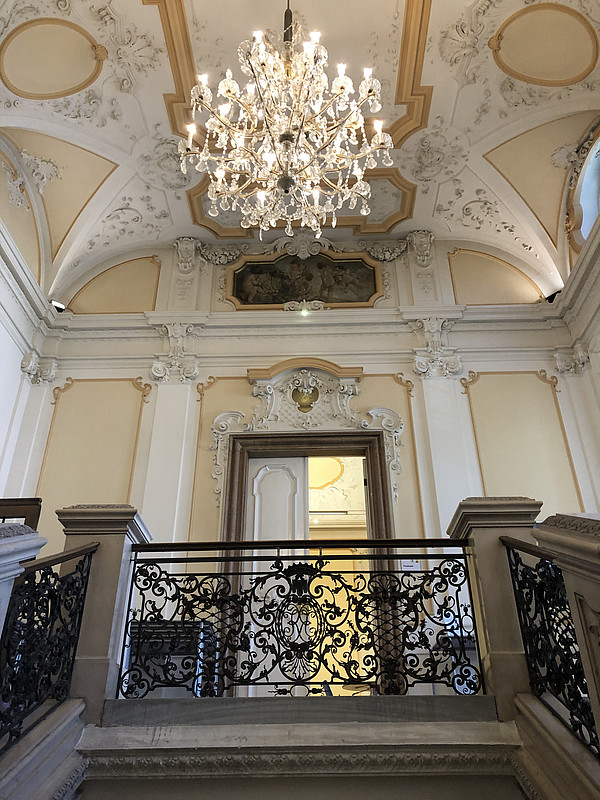
Committee* work provides relevant experience for tenure jobs, it helps build a network within the university and enables access to official as well as informal information. On July 6, in the representative rooms of Palais Kottulinsky, a group of postdoctoral researchers explored in a round table what „shaping academia in committees and commissions“ can look like.

The expert for this round table was Renate Dworczak, professor of organic chemistry at the University of Graz. She is the special representative of the rectorate for gender equality and diversity. She has previously served as Vice-Rector for Staff, Staff Development and Equality for three four-year terms and prior to that was chair of the AKGL (Arbeitskreis für Gleichbehandlungsfragen/ Working Group for Equal Opportunities).

“If you want to change the system, you have to be in it.”

Professor Dworczak decribed her path to becoming Vice-Rector, and also described some bodies that shape our university: For example, as a member of a Curriculum Committee you are very influential, because you co-decide what the curricula will be like in the future, i.e. what students learn. The Employee’s Council for the Academic Staff and the Working Group for Equal Opportunities are legally installed and can be strong partners for the university’s management. One question discussed at the round table was how to become involved – one approach is to contact the chairs for committees and let your interest be known (keeping in mind when terms for committees are due to end, when committees are likely to be formed, etc).

Becoming well connected

Central to shaping academia are networks, so the group discussed how to create your own networks. Starting at your department, you can build networks which transcend working groups, which connect people in your situation; you can also become involved with postdoctoral researchers throughout the university; or network on the faculty level; join the networks of successful people by asking to be mentored. Another question was how to get on the path to be really influential: After proving and showing that you are an excellent scholar (publications, habilitation, track record of third-party funding), you take up roles (such as chair of a committee) where you are visible and likely to be noticed, ideally as a person who is striving to be part of the solution.

Try it out!

Renate Dworczak also talked about processes that have been happening at the university for a number of years which strive towards more transparency and a stronger representation of women in positions of leadership and decision making. Participants were encouraged to actively contribute to the development of our alma mater and have influence on what this development will be like.

The PostDoc Office will offer this discussion format regulary, as part of its goal to promote optimal collaboration and support leadership development among postdoctoral researchers.

(Report by Johanna Stadlbauer, July 6, 2022)

>  Handout for the workshop: Glossary of bodies and documents related to university governance 

> Overview: See the Organisationsplan: 4. Sondernummer (6.b), lists of committees and working groups at the Faculties:

  • Portal der Naturwissenschaften
  • Gremien - Katholische Theologie
  • Gremien an der Fakultät - Rechtswissenschaften
  • Fakultätsgremium - Geisteswissenschaftliche Fakultät
  • Sozial- und Wirtschaftswissenschaftliche Fakultät - Sozial- & Wirtschaftswissenschaften
  • Fakultätsgremium - Umwelt-, Regional- und Bildungswissenschaften

Weitere Artikel

Where are you doing your job searching? Check out these boards and tips

Here are some platforms that list vacancies for people with a research background

Did you know we provide daily updates on LinkedIn?

Follow our page which is now three years of age!

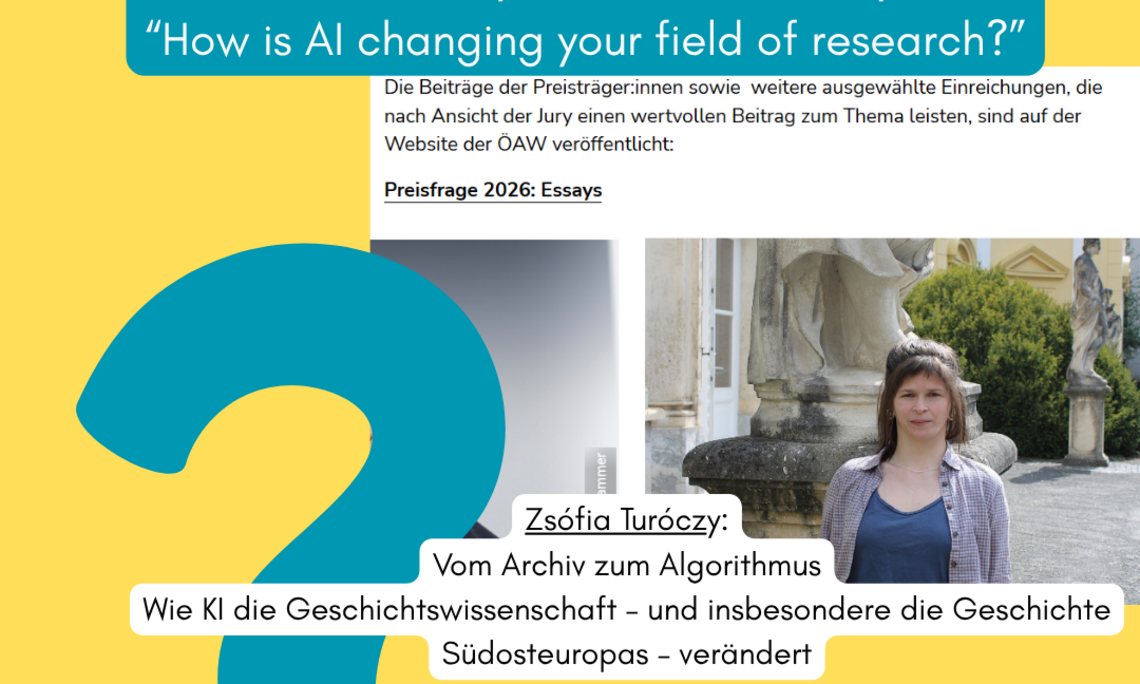
Networking, archival research, and meeting one’s readers

Read Jamie Page's travelogue from Switzerland

Enabling students to be confident researchers and competent academic writers

Three questions for Alexandra Roth and Alexander Doric of WAS

Beginn des Seitenbereichs:
Zusatzinformationen:

Universität Graz
Universitätsplatz 3
8010 Graz
  • Anfahrt und Kontakt
  • Kommunikation und Öffentlichkeitsarbeit
  • Moodle
  • UNIGRAZonline
  • Impressum
  • Datenschutzerklärung
  • Cookie-Einstellungen
  • Barrierefreiheitserklärung
Wetterstation
Uni Graz

Ende dieses Seitenbereichs. Zur Übersicht der Seitenbereiche

Ende dieses Seitenbereichs. Zur Übersicht der Seitenbereiche

Beginn des Seitenbereichs:

Ende dieses Seitenbereichs. Zur Übersicht der Seitenbereiche